
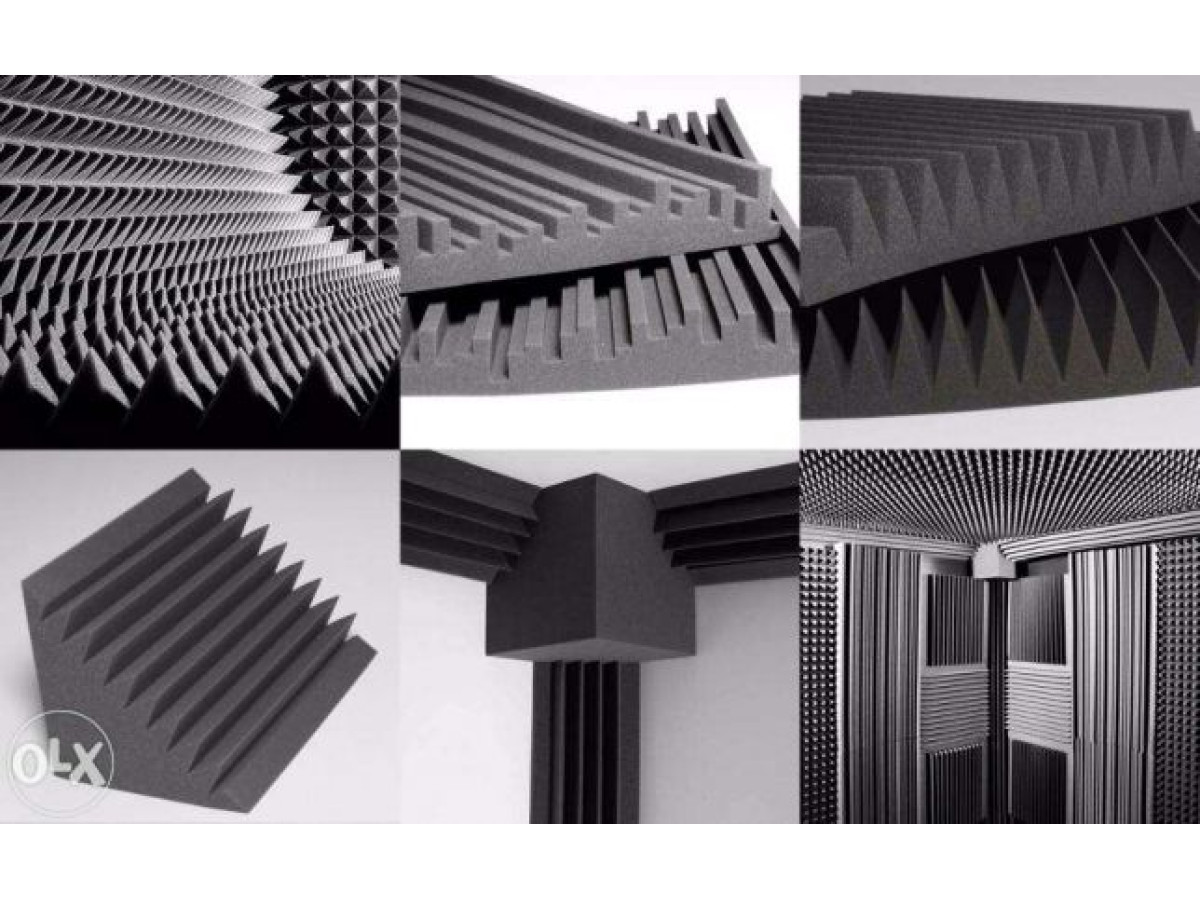
How does acoustic foam work?
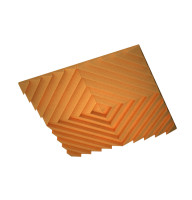
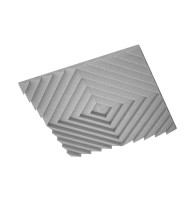
Due to its porous composition, acoustic foam rubber is perfectly able to dampen most of the acoustic vibrations, converting vibrational energy into thermal energy. Only a small part of the fluctuations is reflected back. Acoustic panels made of foam rubber with a figured relief allow you to achieve a better result of acoustic correction than flat ones. Shaped obstacles in the path of an acoustic wave more effectively scatter it in the environment and thus provide the best results of acoustic correction of the room.Scope of application
Acoustic foam rubber is used due to its excellent sound absorption properties. It is able to maintain its geometric dimensions well and is easily installed in any hard-to-reach places. Acoustic foam rubber is a material for the manufacture of designer acoustic panels that fit perfectly into the interior due to:- a wide range of panel types,
- their color palette
- the ability to produce an exclusive relief of acoustic panels.
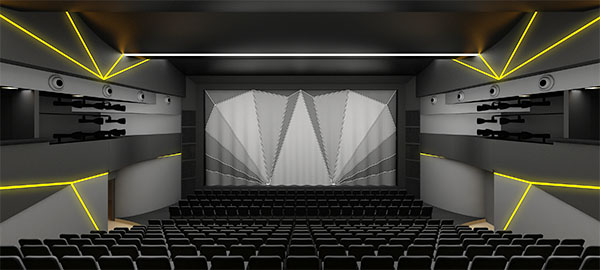
- recording studios,
- TV studios
- studio radio,
- concert halls,
- restaurants,
- temples,
- theaters,
- cinemas,
- home cinemas,
- conference rooms,
- meeting rooms,
- and many other types of objects
The difference in the shapes and sizes of foam rubber
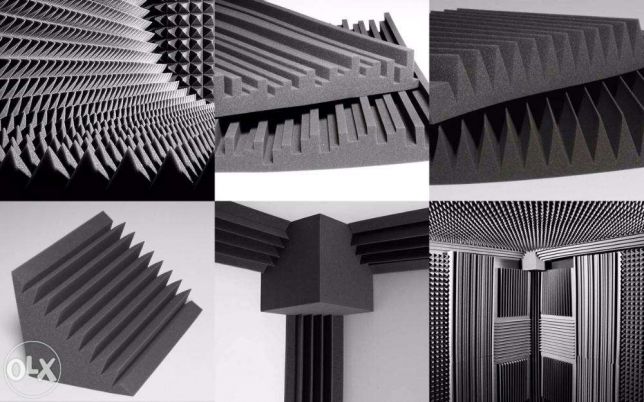 Acoustic foam panels are available in various types of rails, sizes and thicknesses. Each surface shape can vary greatly in its sound absorption coefficient at different sound frequency bands. These characteristics are taken into account when calculating the room acoustics. The sharp contours of the foam will help you disperse sound and absorb more energy through repeated bouncing off the walls. In turn, flatter forms are less prone to damage and deformation. Effective absorption in the sound range also depends on the shape. All these parameters also depend on the density and thickness of the material. The thicker the material, the more distance the sound wave will overcome, which will lose its intensity along the way. When choosing suitable models of products from acoustic foam rubber, for the optimal solution of your problem, you should take into account the following parameters:
- layout of the room and its dimensions, protrusions of walls, ventilation, etc.,
- size and placement of objects in this room,
- placement of people in the room,
- parameters of sound sources, their placement and modes of operation,
- external acoustic factors.
Write a comment